How Faulty Wiring Causes Power Trips In Shellharbour Homes
A sudden power trip often happens without warning. One moment, everything is running normally, and the next, lights switch off and appliances stop working. While resetting a switch on the switchboard may restore power temporarily, repeated trips can point to a deeper electrical issue within the home.
Faulty wiring is one of the most common causes of these disruptions. Over time, wiring can deteriorate, connections may loosen or circuits may become overloaded as households add more appliances and technology. When these issues occur, safety devices such as circuit breakers and safety switches interrupt the power supply to prevent overheating, fire risks or electrical shock.
Understanding how wiring faults develop and why they trigger power trips can help homeowners recognise when a minor inconvenience might actually signal a larger safety concern. An electrician in Shellharbour is here to help.
The Role of Circuit Breakers & Safety Switches
Modern homes rely on circuit breakers and safety switches to protect people and property. These devices are designed to cut power when they detect irregular electrical behaviour.
A circuit breaker trips when too much current flows through a circuit, while a safety switch responds to leakage of electricity. Both mechanisms act as protective barriers against dangerous electrical faults.
Common triggers include:
- Circuits drawing more power than they are designed to handle
- Electrical leakage caused by damaged wiring
- Short circuits where active & neutral wires make contact
- Faulty appliances sending irregular current through the system
When these protective devices trip frequently, it often indicates a wiring issue somewhere within the circuit.
Ageing Wiring & Gradual Deterioration
Electrical wiring does not last indefinitely. Over many years, insulation materials can break down and internal conductors may degrade. These gradual changes can increase the likelihood of electrical faults.
Older wiring may struggle to handle the electrical demands of modern households. As insulation weakens or cracks, exposed conductors can lead to leakage currents that activate safety switches.
Signs that ageing wiring may be contributing to power trips include:
- Switchboard trips occurring when multiple appliances are running
- Lights flickering before power cuts occur
- Electrical outlets that feel warm to the touch
- Visible wear around wiring or switchboard components
In many cases, deteriorating wiring requires inspection and possible replacement to prevent repeated disruptions.
Loose Electrical Connections
Loose connections inside switchboards, power points or junction boxes are another frequent cause of power interruptions. Over time, vibrations, temperature changes or simple wear can weaken electrical connections.
When wires are not firmly secured, electrical current can arc between contact points. This creates heat and unstable power flow, which often triggers circuit breakers.
Loose connections may cause:
- Intermittent power loss
- Buzzing sounds near outlets or switches
- Power trips when appliances are switched on
- Burning smells around electrical fittings
Because loose connections are often hidden behind walls or inside electrical fittings, locating the problem usually requires a detailed inspection.
Short Circuits in Household Wiring
A short circuit occurs when electricity takes an unintended path with very little resistance. This usually happens when the active wire touches a neutral wire or a grounded surface.
Short circuits cause a sudden surge in electrical current. Circuit breakers detect this spike and trip immediately to stop the flow of electricity.
Situations that can lead to short circuits include:
- Damaged cable insulation exposing internal conductors
- Wiring compressed by building movement or renovations
- Water intrusion affecting electrical components
- Faulty electrical fittings or outdated switchboard components
Because short circuits can generate significant heat, they are one of the main hazards electrical protection systems are designed to address.
Overloaded Circuits in Modern Homes
Many homes were originally wired when households used far fewer electrical appliances. Today, multiple devices often operate on the same circuit, placing increased strain on the wiring.
When a circuit carries more current than its rating allows, the circuit breaker will trip to prevent overheating.
Common causes of overloaded circuits include:
- Running multiple high-power appliances on the same outlet
- Extensive use of power boards or extension leads
- Installing additional appliances without upgrading circuits
- Simultaneous operation of heating, cooking or cooling equipment
Repeated overload trips may indicate that the electrical system no longer matches the household’s current power usage.
Hidden Damage Inside Walls & Roof Spaces
Electrical wiring often runs through areas that are rarely inspected, such as wall cavities, ceiling spaces and under floors. Damage in these locations can remain unnoticed until the circuit begins tripping.
Several factors can affect wiring in concealed spaces:
- Rodents chewing through cable insulation
- Moisture exposure from roof leaks
- Construction work disturbing existing wiring
- Thermal expansion causing cable movement over time
Because these issues are hidden from view, diagnosing them usually involves systematic testing of circuits and wiring pathways.
Faulty Switchboards & Outdated Components
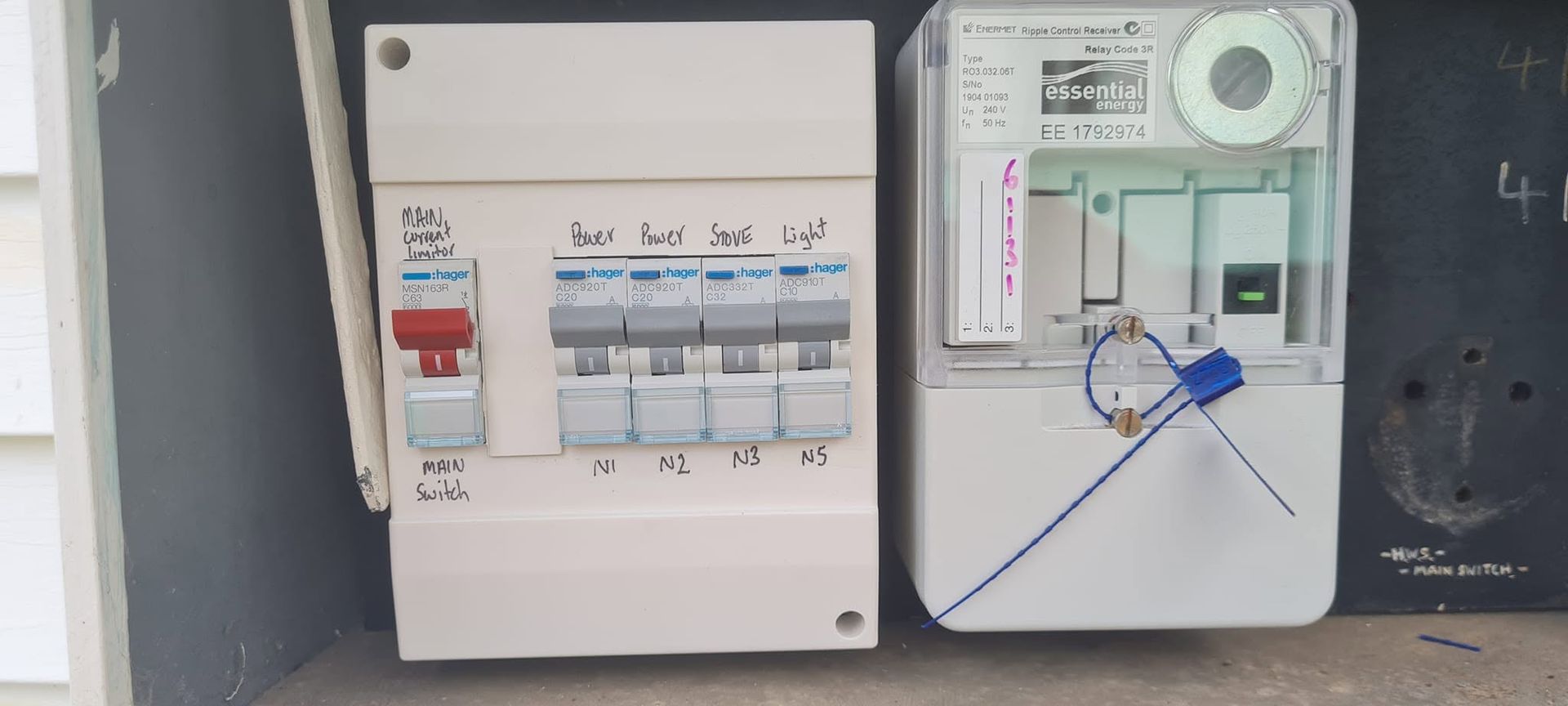
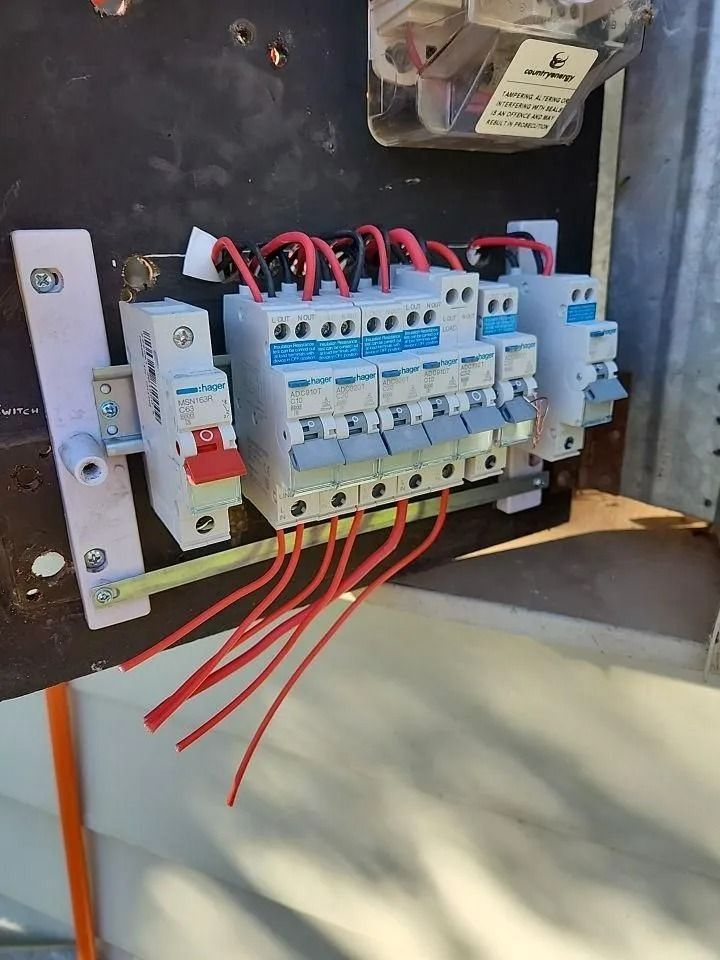
The switchboard acts as the central control point for a home’s electrical system. If the switchboard contains outdated components or ageing protective devices, power trips may occur more often.
Older switchboards may not be designed for the electrical load of modern appliances. Components can also wear out with time, leading to unstable circuit protection.
Indicators that the switchboard may contribute to repeated power trips include:
- Frequent breaker resets required throughout the week
- Breakers tripping with minimal appliance use
- Signs of heat or discolouration inside the switchboard
- Limited space for additional circuits
Upgrading switchboard components can improve compatibility with modern electrical demands and reduce unexpected power interruptions.
Why Ignoring Repeated Power Trips Can Be Risky
Occasional power trips may appear minor, but persistent disruptions should not be ignored. Electrical protection devices are designed to respond to potentially hazardous conditions.
Continuously resetting a breaker without addressing the underlying cause may allow wiring faults to worsen over time.
Potential risks associated with unresolved wiring problems include:
- Overheating electrical cables
- Damage to household appliances
- Electrical shock hazards
- Increased likelihood of electrical fires
Investigating the cause of repeated power trips allows electrical issues to be identified before they escalate.
Get in Touch
If power trips are happening regularly, it may be time to have the electrical system checked. At All Star Electrical Services, we provide electrical inspections and fault-finding services for homeowners looking for help with recurring electrical issues. If you need an electrician in Shellharbour homeowners can contact, you can visit our website to arrange an inspection or request assistance. Homes in coastal areas such as Shellharbour often face unique electrical challenges due to weather exposure and ageing housing infrastructure, and a Shellharbour electrician can help investigate the cause of repeated power interruptions.