Common Electrical Problems In Shellharbour Homes You Shouldn't Ignore
It's easy to overlook the small signs. A light that flickers when the kettle boils, a power point that feels slightly warm, a switchboard that hums a little louder than it used to. On their own, these quirks rarely seem urgent. Together, though, they often point to underlying issues that are worth addressing before they turn into something more disruptive or dangerous. Shellharbour's mix of established housing, coastal exposure and growing household appliance use means local homes face a particular set of electrical pressures. Recognising the early signs can make the difference between a routine fix and a costly repair.
Flickering or Dimming Lights
Lights that flicker or dim, particularly when other appliances switch on, are usually a sign of an overloaded circuit or a loose connection somewhere in the wiring. In many homes, especially those built decades ago, this is compounded by wiring that was never designed to handle today's appliance load.
Flickering or dimming lights can be caused by:
- Loose wiring at the switch, fixture or switchboard
- Circuits carrying more load than they were designed for
- Voltage fluctuations from the supply or an ageing fuse box
A licensed electrician in Shellharbour can trace the source with proper diagnostic testing rather than guesswork, which saves time and avoids unnecessary part replacement.
Frequently Tripping Circuit Breakers
A circuit breaker that trips occasionally isn't necessarily a problem. One that trips repeatedly, however, is the system telling you something is wrong. As more households add air conditioners, home entertainment systems and kitchen appliances to existing circuits, tripping has become a more common call-out reason across the area.
A tripping circuit breaker can mean:
- Overloaded circuits from too many appliances on one line
- Short circuits caused by damaged or deteriorating wiring
- Faulty appliances drawing more current than expecte
Repeated tripping shouldn't be reset and forgotten. It's worth having the circuit assessed properly to identify whether the fault lies with an appliance, the wiring or the breaker itself.
Warm or Discoloured Power Points
Power points and switches should never feel warm to the touch. Additionally, any sign of scorching, discolouration or a faint burning smell should be treated seriously. This is one of the clearer indicators of a potential fire hazard, since it usually means a loose connection or arcing is occurring inside the point itself.
Warm or discoloured power points can indicate:
- Loose internal wiring causing resistance & heat build-up
- Overloaded double adaptors or power boards plugged into a single outlet
- Ageing outlets that were never designed for modern appliance loads
Switching off and avoiding use of the affected outlet until it's inspected is the safest course of action, while any visible scorching or burning smells should be treated as urgent.
Outdated Switchboards & Ageing Wiring
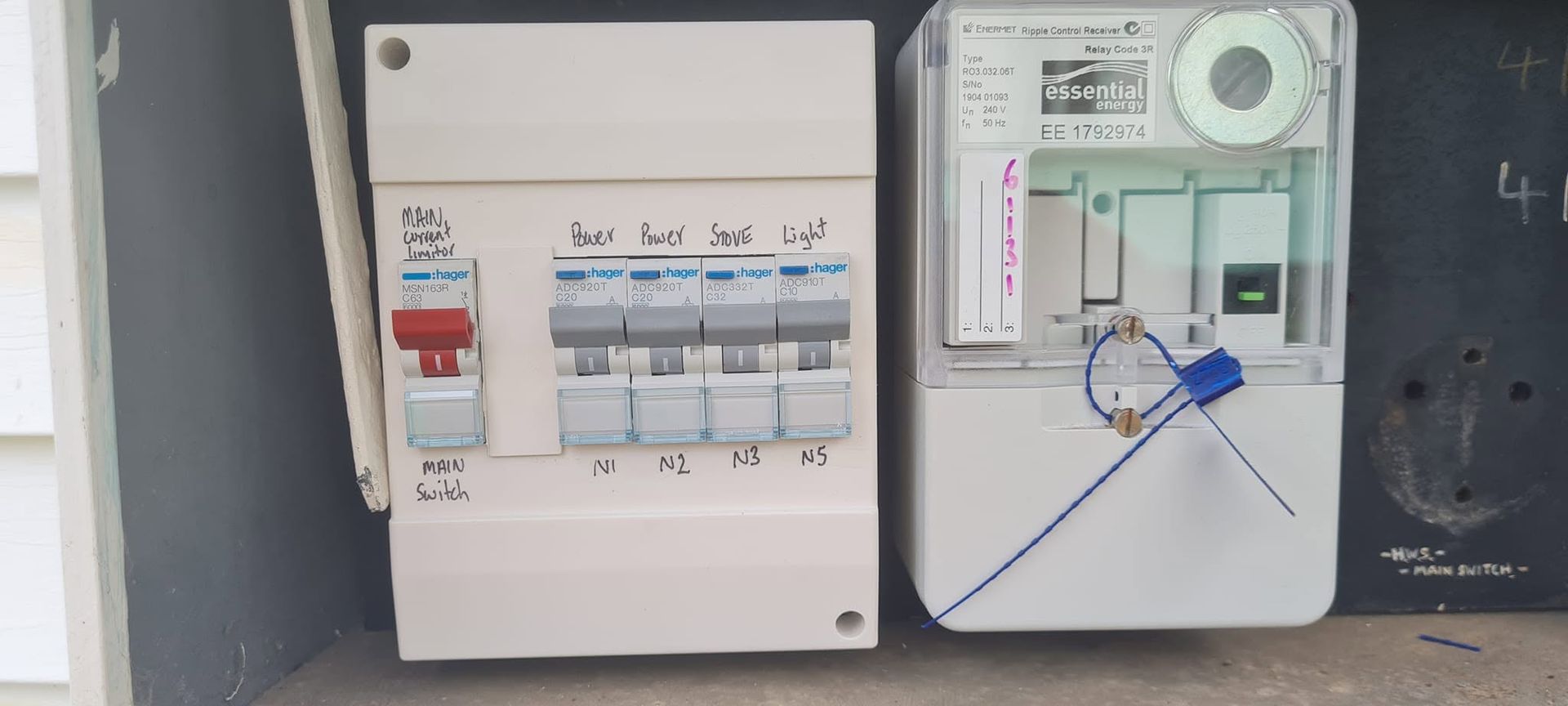
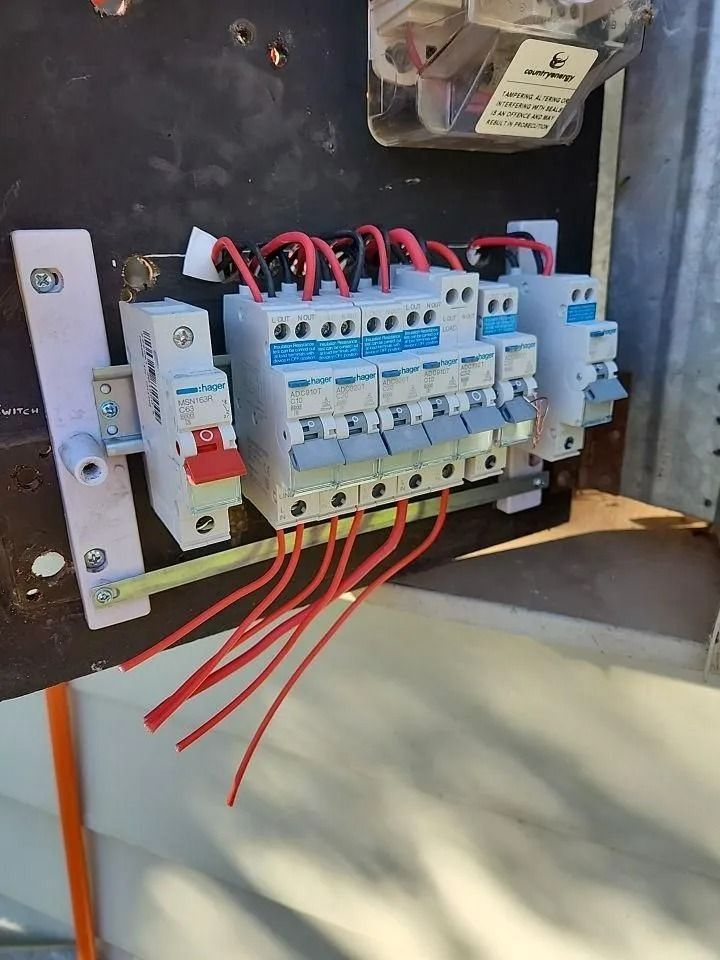
Outdated switchboards and ageing wiring create safety risks because the materials and components inside them degrade over time, reducing their ability to handle current safely. Many homes in Shellharbour's older pockets still run on switchboards installed long before air conditioners, EV chargers and multiple home entertainment systems became standard. These older boards often lack the safety switches now considered essential.
Outdated elements can include:
- Ceramic fuses instead of modern circuit breakers
- No residual current device (RCD) protection
- Wiring insulation that has hardened or cracked with age, increasing the risk of short circuits
Switchboard upgrades bring a home in line with current safety standards and provide the capacity needed for everyday appliances without constant overload concerns.
Buzzing or Crackling Sounds
Electrical systems should be silent. A buzzing, crackling or humming sound from a switch, point or the switchboard itself is not normal and shouldn't be dismissed as background noise.
The sound can relate to:
- Loose wiring creating small electrical arcs
- Deteriorating insulation around old wiring
- Faulty switches or worn-out components
These sounds are often an early warning of a fault that hasn't yet caused visible damage, which makes early inspection particularly worthwhile. They sit alongside warm power points and scorch marks as one of the clearer signs of a developing fire hazard.
Coastal Conditions & Corrosion
Shellharbour's proximity to the coast brings a factor that inland suburbs don't deal with to the same degree: salt-laden air. Over time, this air can accelerate corrosion in outdoor switchboards, exposed wiring connections and metal fittings, particularly in homes close to the water.
This can cause:
- Corrosion on outdoor power points, switchboards & meter boxes
- Weakened connections in exposed or external wiring
- Faster deterioration of weatherproof seals & fittings
Homes in coastal areas often benefit from more frequent electrical inspections than those further inland, simply because the environment places extra strain on outdoor components.
Faulty or Missing Safety Switches
A safety switch, also known as an RCD, is designed to cut power within milliseconds if it detects current leaking to earth, protecting people from electric shock. Homes without one, or with one that isn't functioning correctly, carry an avoidable risk. This is particularly relevant in older Shellharbour properties that predate current safety switch requirements.
This includes:
- Older homes built before safety switches became mandatory
- Safety switches that fail testing & need replacement
- Boards with only one safety switch covering all circuits, rather than separate protection for lighting & power
Testing the safety switch by pressing the test button every few months is a simple habit that helps confirm it's still doing its job.
Renovation & Extension Wiring Gaps
Home renovations and extensions are common across the area, but they often introduce new electrical demands that the original wiring wasn't built to handle. Added rooms, new appliances and additional lighting circuits all place extra load on a system that may already be working at capacity.
Renovations require:
- New circuits for kitchens, bathrooms or additional living spaces
- Compliance checks for wiring in wet areas
- Coordination between building works & electrical fit-out
Planning the electrical work alongside the renovation, rather than as an afterthought, helps avoid costly rework and ensures everything meets current standards from the outset.
When Is an Electrical Issue Urgent?
Not every electrical fault needs a same-day response, but some do. An issue should be treated as urgent if it involves any sign of a burning smell, visible scorching, sparking, a power point or switch that's hot to the touch or a safety switch that won't reset. Buzzing sounds, repeated breaker trips within a short period or a sudden, unexplained loss of power to part of the home also warrant prompt attention rather than a wait-and-see approach. In these situations, power to the affected circuit should be switched off where it's safe to do so and a licensed electrician should be contacted as soon as possible.
Get Your Home's Electrics Checked Today
Electrical issues don't fix themselves. The warning signs above are worth acting on, not waiting out. We at All Star Electrical Services understand that Shellharbour's combination of older housing stock, coastal exposure and growing appliance demand means local homes often need a closer look than properties in other areas. If you've noticed any of the signs mentioned above or simply want the peace of mind that comes with a professional inspection, our team is ready to help as your local electrician in Shellharbour.
Give us a call, send an enquiry, or book a time that suits you through our website. A small check now can save a good deal of inconvenience and expense, later on.