Why Circuit Breakers Keep Tripping In Shellharbour Properties
It usually happens at the worst possible time. The kettle's on, the air conditioner's running, and someone's just plugged in a hair dryer, then the whole circuit cuts out and you're standing in the dark flicking a switch that won't hold. If you've found yourself resetting the same breaker more than once a week, you're not imagining things and you're certainly not alone. Searching for a
Shellharbour Electrician is often the first step people take once resetting the switch stops working. An electrician near me is one of the most common searches typed into a phone the moment the power drops for the third time in a month, and for good reason. Circuit breakers are designed to trip, but when it becomes a regular occurrence rather than a rare event, it's usually a sign that something in the property's electrical system needs a closer look.
Overloaded Circuits Are More Common Than You Think
Modern households run far more appliances than the electrical systems in older Shellharbour homes were ever designed for. A single circuit that once powered a lamp and a radio might now be expected to run a microwave, a phone charger and a space heater at the same time. When the demand exceeds what the circuit can safely handle, the breaker trips as a protective measure rather than a fault.
This is one of the most straightforward issues an electrician can diagnose and resolve. It often comes down to how the load is distributed:
- Too many high-draw appliances on one circuit
- Kitchens and laundries drawing more power than originally planned for
- Extension leads and power boards masking an underlying capacity issue
- Seasonal spikes from heating or cooling appliances
Redistributing circuits or adding dedicated lines for heavy appliances usually solves the problem for good.
Ageing Wiring Struggles To Keep Up With Modern Demand
Many properties across Shellharbour still have wiring that was installed decades ago, back when household power needs looked completely different. Insulation degrades over time, joints loosen, and older cabling simply wasn't built to carry the loads we now consider normal. This kind of wear doesn't always show obvious signs until a breaker starts tripping more frequently than usual.
An inspection can reveal exactly what's going on beneath the surface:
- Cracked or brittle insulation on older cables
- Corroded connections at switchboards or outlets
- Wiring that predates current safety standards
- Increased resistance causing heat build-up
Rewiring sections of a property might sound like a big job, but it's often targeted rather than a full overhaul, and it removes a genuine fire risk in the process.
Faulty Appliances Can Be Hiding In Plain Sight
Sometimes the issue isn't the wiring or the switchboard at all, it's a single appliance drawing more current than it should. A fridge with a failing compressor, a washing machine nearing the end of its life or a dodgy power adaptor can all send irregular current through a circuit and trip the breaker without warning.
Isolating the fault is usually a process of elimination:
- Unplugging appliances one at a time to find the culprit
- Checking for warm plugs, unusual smells or scorch marks
- Testing older appliances that haven't been serviced recently
- Replacing damaged cords or plugs rather than the whole unit
Once identified, the fix is often simpler than expected, and it prevents repeated trips from being mistaken for a bigger system fault. It's often at this point that a quick search for an electrician near me leads to a proper diagnosis rather than another failed attempt at resetting the switch.
Outdated Switchboards Were Never Built For Today's Homes
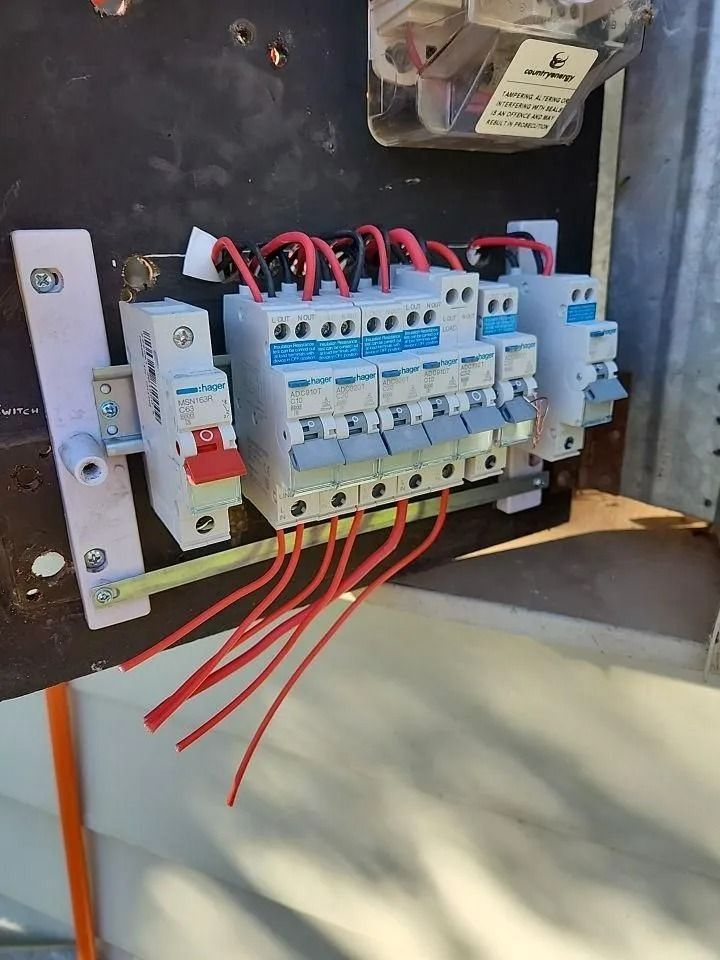
Switchboards installed 20 or 30 years ago were built around the electrical demands of that era, not the smart TVs, EV chargers and multiple device chargers found in most homes today. An outdated switchboard can struggle to safely distribute power, which shows up as frequent nuisance tripping.
Upgrading a switchboard is one of the most impactful changes a property owner can make:
- Modern circuit breakers designed for current load standards
- Safety switches that meet today's regulatory requirements
- Better fault protection across the whole property
- Room to expand for future appliances or renovations
For landlords in particular, this is a cost-effective way to reduce ongoing callouts.
Water And Electricity Rarely Mix Well
Moisture is one of the most common hidden causes of circuit trips, particularly in bathrooms, laundries and kitchens. A leaking pipe near wiring, condensation build-up in an outdoor power point or even weather-related dampness can cause a breaker to trip as a safety response.
It's worth checking a few areas if trips seem linked to certain rooms or weather conditions:
- Outdoor power points exposed to rain or humidity
- Bathroom exhaust fans or heat lamps with worn seals
- Laundry areas near plumbing that may be leaking
- Condensation build-up inside older switchboards
Addressing the moisture source alongside the electrical fix stops the problem from recurring.
Safety Switches Doing Exactly What They're Designed To Do
It's worth remembering that a tripping safety switch isn't always a fault, sometimes it's doing precisely what it's meant to. Safety switches, also known as residual current devices, are designed to cut power the moment they detect current leaking to earth, protecting people from electric shock. If a safety switch trips regularly, it's flagging a genuine issue rather than being oversensitive.
Common triggers include:
- Earth leakage from faulty appliances
- Damaged insulation allowing current to escape
- Moisture ingress in outdoor or underfloor wiring
- Ageing safety switches nearing the end of their lifespan
Testing safety switches every few months is a simple habit that catches problems early.
Renovations And Additions Can Outpace The Original Setup
Extensions, granny flats, home offices and new appliances all add load to a system that was designed around the property's original footprint. When renovations happen without an accompanying electrical review, the existing circuits can end up carrying more than they were ever intended to. This is a particularly common issue for investors and landlords upgrading a property between tenancies.
Before any renovation is finalised, it's worth checking:
- Whether new rooms have been wired on existing circuits
- If additional appliances have pushed load past safe limits
- Whether the switchboard has capacity for future additions
- If council or compliance requirements have been factored in
Planning electrical capacity alongside renovation work avoids costly rework later.
Investment Properties Bring Their Own Set Of Challenges
Landlords and property investors face a slightly different set of pressures when it comes to circuit breaker issues. Tenants may not report minor trips promptly, appliances left behind by previous occupants can be unreliable, and properties between tenancies are often the last to get an electrical once-over. Left unchecked, small issues can escalate into bigger repairs or compliance headaches.
A periodic electrical safety check between tenancies is one of the simplest ways to stay ahead of it:
- Testing switchboards and safety switches regularly
- Checking smoke alarms and safety switch compliance
- Reviewing wiring condition in older rental properties
- Addressing tenant-reported trips before they recur
Staying proactive protects both the property value and the safety of everyone living there, and having a trusted electrician near me on call makes the whole process far less stressful when something does go wrong.
Get Your Switchboard Checked Before It Becomes A Bigger Problem
We at
All Star Electrical Services understand how disruptive repeated power trips can be, whether you're managing a family home or a rental property across Shellharbour and the wider Illawarra. Our licensed electricians take the time to properly diagnose the cause rather than just resetting the switch and moving on, so you get a lasting fix instead of a temporary patch. If your breakers have been tripping more than they should,
get in touch with our team today to book an inspection and put the issue to rest for good.